

Children’s Mental Health Week 2026: Why Belonging Matters
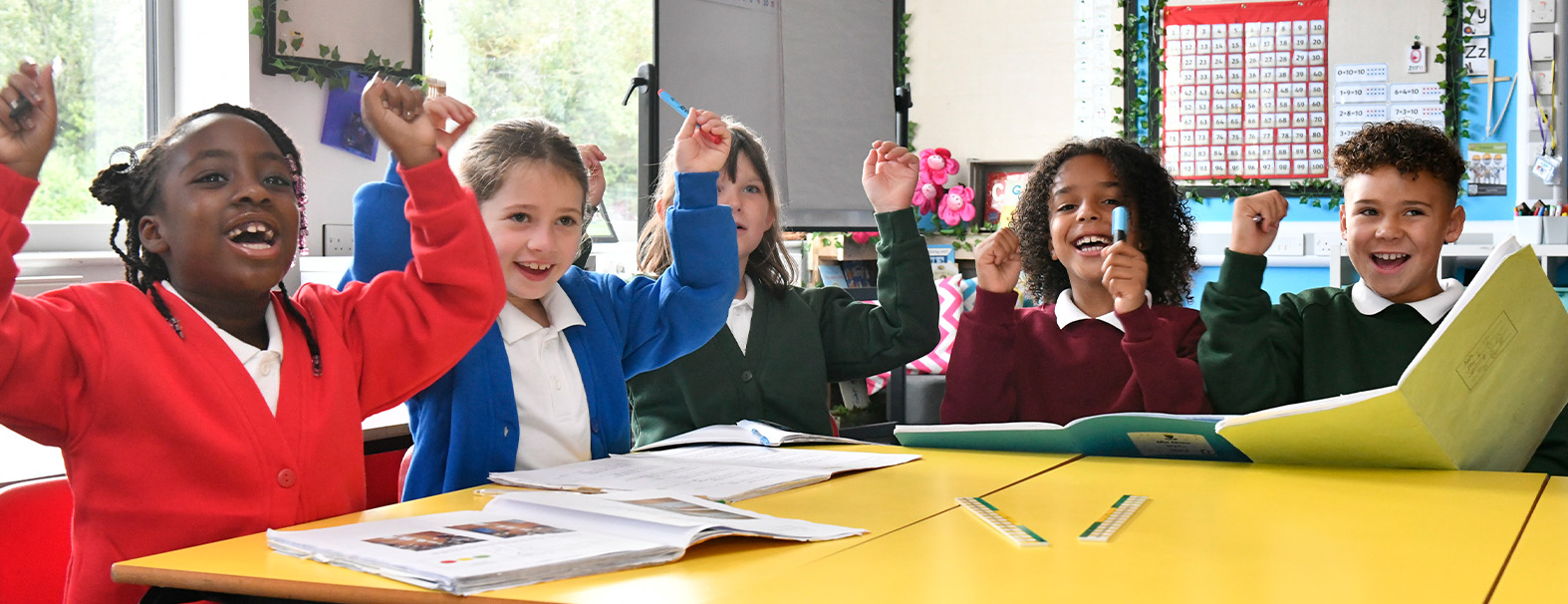
Every year in February, schools, families and communities across the UK come together to champion something essential: the emotional wellbeing of our young people. Children’s Mental Health Week, organised by the children’s mental health charity Place2Be, runs this year from 9th to 15th February 2026 and carries the theme “This is My Place.” At its heart, this theme reminds us that feeling seen, included and valued in our families, schools and communities plays a vital role in a child’s mental health and sense of self.
Since its launch in 2015, Children’s Mental Health Week has aimed to raise awareness, reduce stigma and support positive emotional development for children and young people across the UK. Belonging, whether in friendships, classrooms or at home is foundational to children’s wellbeing, learning and resilience.
This week is an annual invitation to pause, reflect and create environments where children feel safe to express themselves, build healthy relationships and develop confidence in who they are. Early intervention and supportive spaces can make all the difference, something we can all help to foster in everyday life.
Why Feeling Connected Makes a Difference
When children feel a sense of belonging, it helps them:
Develop emotional resilience
Navigate challenges at school and in friendships
Build positive self-esteem
Feel supported during tough times
These outcomes don’t just happen by chance - they’re built through everyday interactions, compassionate listening and environments that respect every child’s individuality.

Encourage Healthy Coping Habits
Everyday wellbeing practices, such as talking openly about feelings, encouraging emotional expression, or learning simple stress management strategies, can play a powerful role in supporting children’s mental and emotional health. These small, consistent actions can help children feel more confident and resilient as they navigate school pressures, social challenges, or big life transitions.
By building these skills early, families can create a strong foundation for coping with change and uncertainty. Check out our blog on how to manage stress for practical, easy-to-follow ideas that show how families can work together to reduce anxiety, strengthen emotional connections, and build calm, supportive routines that benefit everyone at home.

Comfortability and Inclusive Environments
For some children, especially those who are neurodiverse, clothing and comfort can impact their sense of wellbeing. Providing sensory-friendly school uniform choices can reduce discomfort and help children feel more at ease throughout the school day.
Equality and inclusion go hand in hand with mental health. When schools and communities prioritise fairness in schoolwear and belonging, children learn that they are accepted and valued for who they are - a lesson that resonates far beyond the classroom. Check out our blog on The Role of Schoolwear in Creating Equality for a deeper look into this.
Your Role in Making a Child Feel They Belong
Whether you’re a parent, teacher, caregiver, or community member, everyone can contribute to nurturing children’s mental health:
Listen without judgement. Give children space to express themselves honestly.
Create routines that support stability and calm.
Talk openly about mental health — it’s okay to not be okay.
Learn stress management techniques together as a family.
Ensure school environments are supportive and inclusive.
The more we normalise conversations around mental wellbeing, the more confident children become in understanding their emotions and seeking support when they need it.

Children’s Mental Health Week is a wonderful opportunity to focus on belonging and emotional wellbeing. But real impact happens when the values it champions become part of our everyday lives.
Let’s celebrate this year’s theme, “This is My Place”, by nurturing spaces where every child feels valued, supported and truly at home in the world around them.