

Providing sensory school uniform
SCHOOL UNIFORM REQUIREMENTS
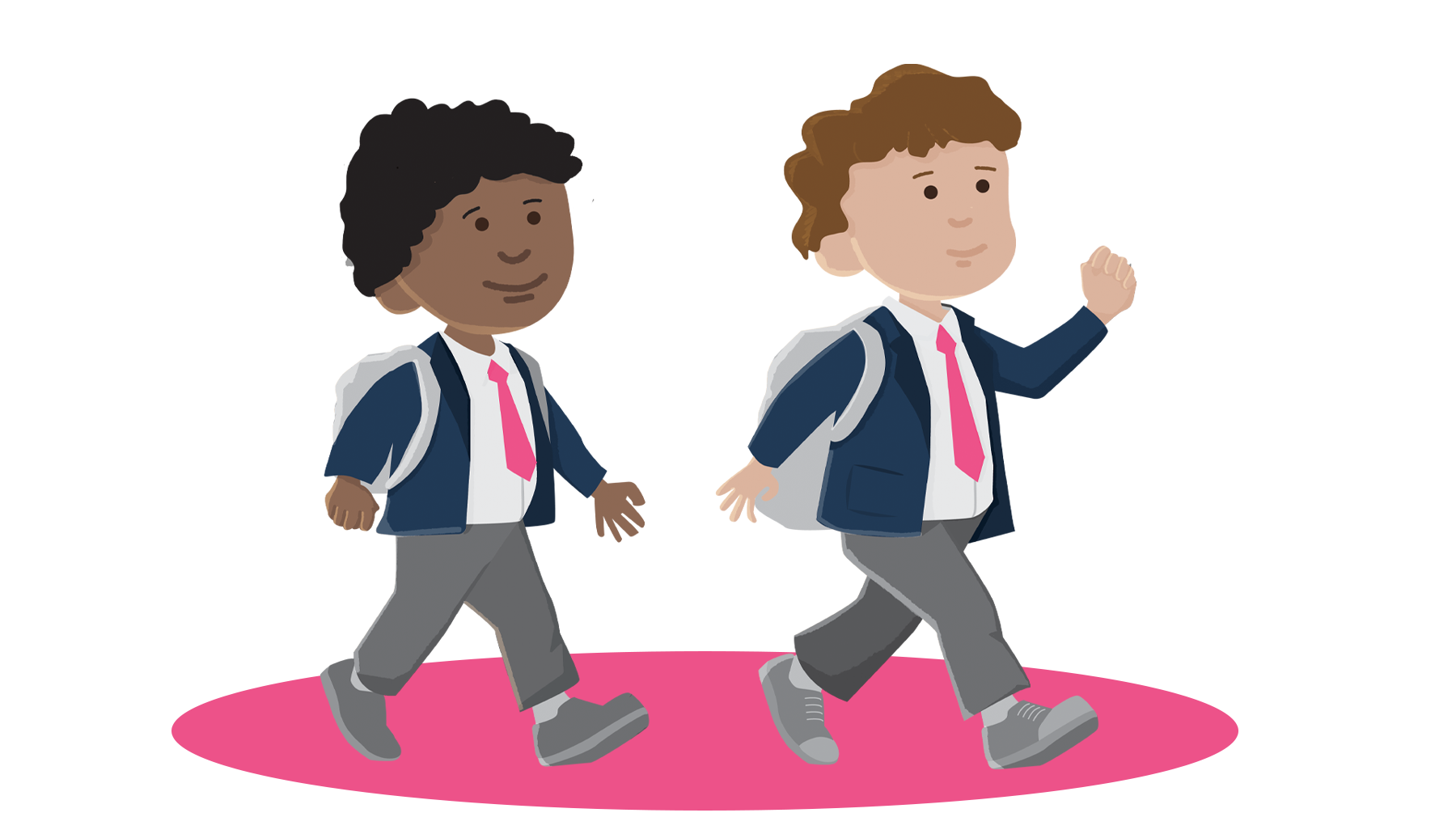
The majority of schools that we supply like their students to wear the same, or very similar clothing. This can be a godsend for a busy parent, as it is often more cost effective than buying regular clothes and has also been proven to reduce bullying However it can also present a real challenge to parents who’s children require sensory school unifom. These are often kids with autism, sensory processing disorders, or those who are more sensitive to certain fabrics or materials.
WHAT CAN CAUSE ISSUES?
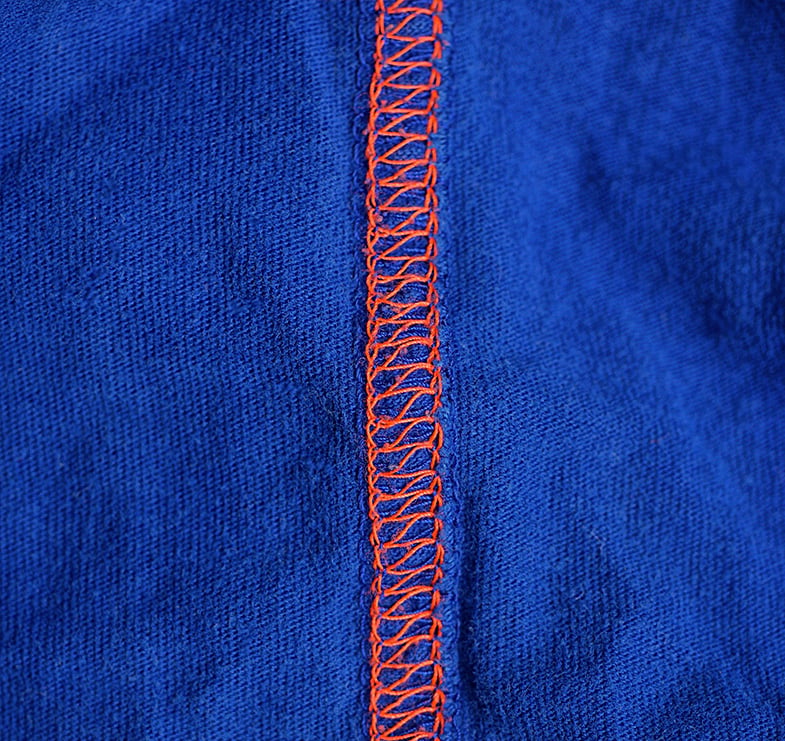
Many children find seams, labels and some fabrics or styles of clothing unbearable. The irritation and distraction they feel can present a barrier, not only to that child’s comfort, but also to their ability to learn. Ultimately, it can affect their performance and behaviour.
If this is the case, whether you have a clear diagnosis or not, most schools are more than happy to allow adjustments to uniforms. Here at P&B we would whole-heartedly recommend approaching the school and discussing any concerns as a first step.
We also know that most children, particularly teens don’t want to wear different clothes to their peers. So, what can you do as a parent to make sure your child can concentrate and be comfortable in school?
As part of World Autism Acceptance Week (27th March – 2nd April), we did a little research into how school uniform can be adapted, so that children can take part in usual day-to-day activities. Keep reading to find out our top tips, collected from parents, schools and experts:
SENSORY SCHOOL UNIFORM – SEAMS
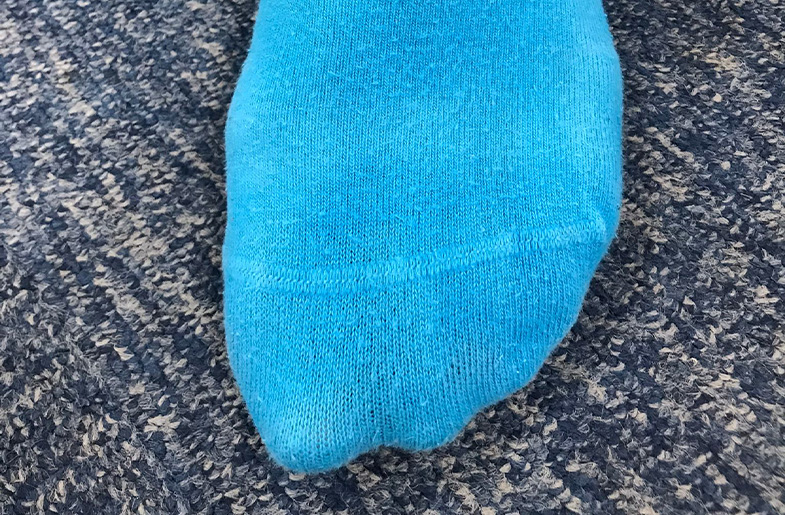
The seams in underwear, particularly socks and tights, can be a real bugbear for many children. From a young age, this sensory aversion can range from a mild irritation that wears off once the child is distracted at school, to much more severe.
One of the most suggested methods to lessen the impact of seams, is to simply turn socks and tights inside out. Often, it’s only the seams that make it clear the clothing is being worn inside out. Therefore as these will be hidden under shoes or clothing, it’s likely no one will ever know the difference.
However, if you’re one of the many parents that have tried this and need a different option, we’d recommend investing in good seamless underwear, such as these fabulous bamboo socks and tights that boast super soft seams, designed to limit irritation.

SENSORY SCHOOL UNIFORM – TEXTURE
The general texture or feel of clothing can also be a cause of discomfort. Whilst some children react to the feel of natural fibres like linen or wool, others will be affected by polyester or nylon.
Every child and every sensory aversion is different, and can change or adapt over time. This might mean a shirt your child wore happily last week, is no longer an option! Whilst you’re learning more and getting to grips with it, many experts recommend a comfy base layer or even a simple cotton t-shirt. These are available in many different styles and fabrics and can be worn discretely under school uniform. Browse our range of cotton t-shirts.
Tight base layers may also provide additional comfort for children that need closer clothing. And if you need more information about any of the materials, get in touch with our team.
SENSORY SCHOOL UNIFORM – SLEEVES
Sensory sleeves are a specially made product that protects wrists from tight (or loose) cuffs. Used by both adults and children, they can provide a physical barrier between skin and clothing and offer a range of other benefits too.
Many children find the additional pressure has a calming effect and some even find the compression provides support for fine motor skills such as handwriting. Find out more from specialist stockist Fun & Function.
SENSORY SCHOOL UNIFORM – LABELS
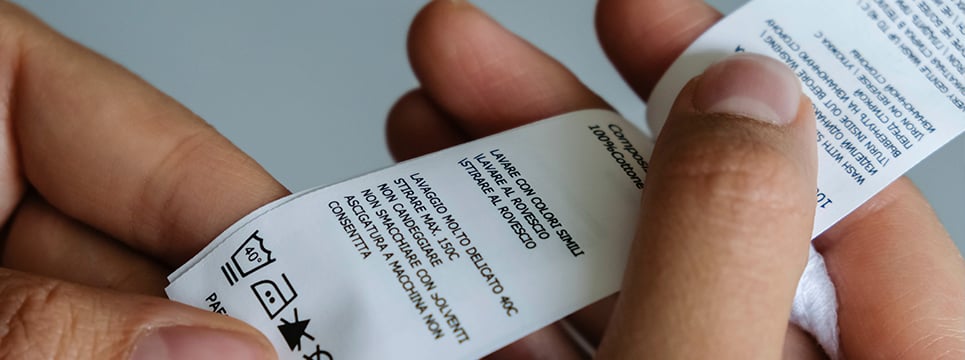
Labels, particularly those in underwear that are in direct contact with skin, or those that sit at the back of the neck, can be a huge issue for a lot of children. Starting from a young age, children with sensory issues (or sometimes allergies) may start showing signs of irritation and will make it clear that their clothes are bothering them, before they can even talk.
One option is to simply cut out all labels but for sensitive children, even the remnants of a label can be triggering. If this is the case, we recommend you take a look at Undercover Tape to ‘ditch the itch’. They offer specialist clothing tape designed to cover labels and seams, in a choice of colours and patterns.
Options
Finally, one of the most common pieces of advice we came across was to have a few options available in the mornings. For some children with autism, the routine of the same clothing every day is very helpful, but for others it can cause additional stress and worry so a choice or options are more helpful.
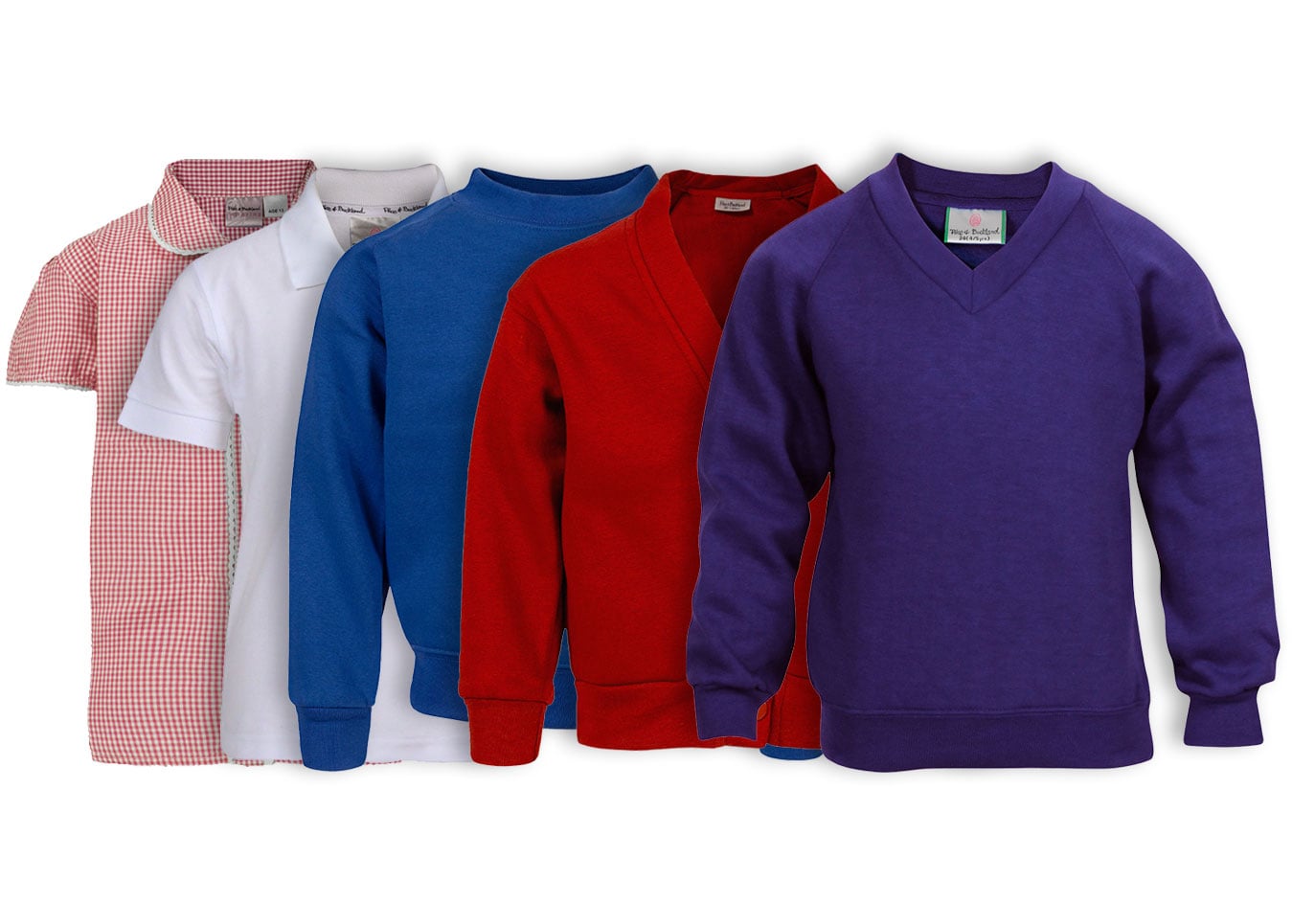
For example, some schools will ask that uniform includes a white shirt or grey trousers but won’t mind what the material is. Having a look around at school wear providers, whether you buy from your school’s partnered supplier (such as Price & Buckland) or you search the supermarket and high street brands, you’ll find a range of different materials, styles, fasteners (buttons, zips) and even different weights for the fabrics.
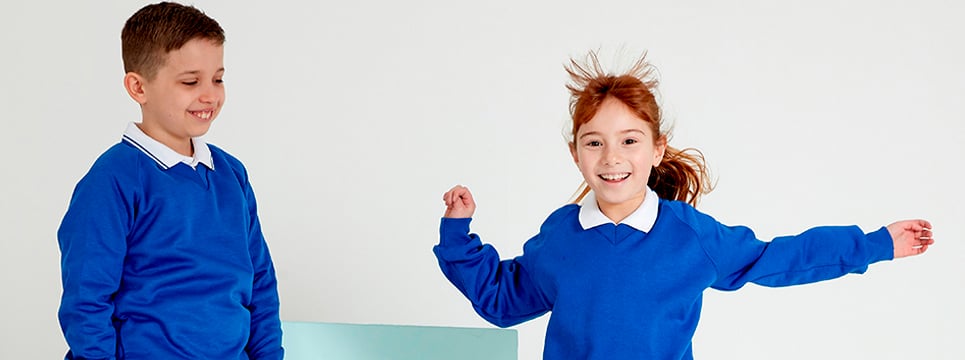
Letting your child choose between a lightweight button up cardigan or a tight fitting v-neck sweater may help them to feel more comfortable and calmer when it comes to school time.
We aim to take the stress out of school uniform purchase and hope our hints and tips have been useful. Please get in touch if you have a child with a sensory issue that isn’t covered here and would like advice. Alternatively if you have some valuable first-hand experience of tried and tested methods to alleviate clothing discomfort we would love to hear from you!