

The New Schools Bill: What the Upcoming Uniform Changes Mean for Schools
The education sector in England is preparing for a number of reforms through the Children’s Wellbeing and Schools Bill. While the bill introduces several changes across the education system, one of the most widely discussed areas for schools is school uniform policy.
School uniform plays an important role in school identity, equality and community. However, the government is aiming to ensure uniforms remain affordable and accessible for families, and the new legislation introduces clear limits on the number of branded items schools can require.
For school staff responsible for implementing or communicating uniform policies, it’s helpful to understand what the proposed changes involve and what they may mean in practice.
Why the Government Is Introducing Uniform Changes
The government’s objective with the new legislation is to reduce the cost of school uniforms for families across United Kingdom. Although many schools already aim to keep uniform affordable, nationally there can be a significant variation in the number of branded items required. Therefore, the bill aims to standardise this by placing limits on compulsory branded items.
The idea behind this change is simple:
If fewer items must be bought from specialist suppliers, families can purchase more non-branded uniform items from high street or supermarket retailers, which may reduce overall costs.
The New Limit on Branded Uniform Items
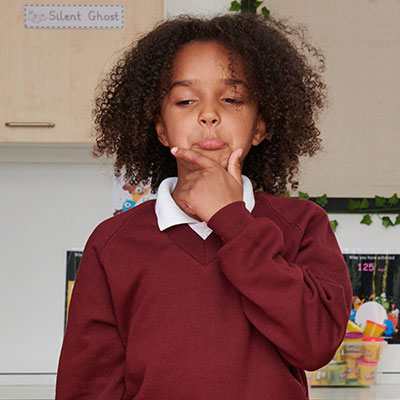
Under the proposed rules primary schools are limited to up to three mandatory branded uniform items, with secondary schools being limited to up to four mandatory branded uniform items, if one of the items is a tie. For schools that currently require several branded items across different uniform categories, this may mean reviewing which items remain essential to the school’s identity.
What Counts as a Branded Item?
Understanding what qualifies as “branded” will be important when schools review their uniform policies.
Typically, branded items include:
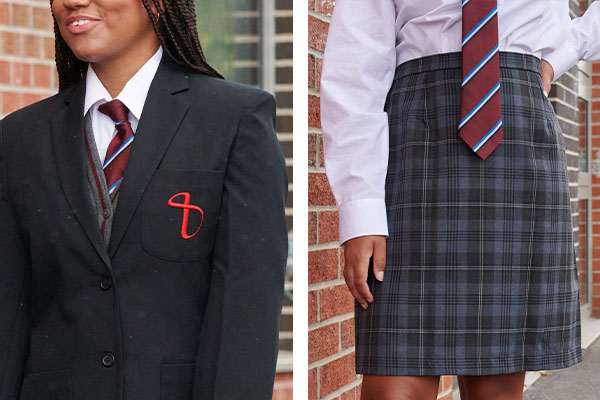
- Garments with an embroidered or printed school logo, name or unique design
- Clothing that must be purchased from a specific supplier because of the branding
- Items with distinctive school colours or designs that cannot easily be bought elsewhere i.e. ties and special PE kit garments

Non-branded items, on the other hand, might include:
- Plain trousers or skirts
- Plain shirts or blouses
- Plain PE clothing
- Generic outerwear
These items can usually be purchased from a range of retailers, which can keep uniform costs flexible for families.
If you require further information around what is classed as a branded item and what isn’t, please get in touch and we will be more than happy to assist you.
What About Optional Branded Items?
While the bill places limits on mandatory branded items, schools can still offer additional branded garments on an optional basis, giving families greater flexibility in how they engage with school identity.
Items such as leavers’ hoodies, branded outerwear or extracurricular clothing can continue to play an important role in fostering school pride without adding to compulsory costs. When managed carefully, optional items allow schools to maintain a strong visual identity and offer pupils a sense of belonging, while ensuring that no family feels under pressure to purchase beyond the required uniform.
Clear communication will remain important here, helping parents and carers understand which items are optional and reinforcing that these choices are entirely voluntary.
When Will the Changes Take Effect?
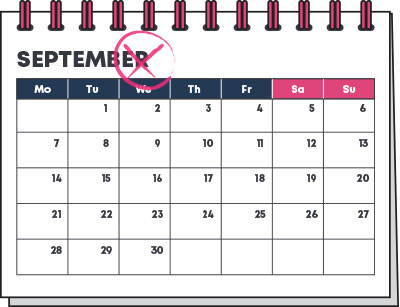
The government has indicated that schools will have time to prepare for the new requirements, with implementation expected around the start of the 2026 school year.
This transition period is designed to allow schools to review their existing uniform policies, consider which branded items remain essential and communicate clearly with parents and carers about any future changes.
It has been advised that schools will likely want to introduce updates carefully to avoid unnecessary costs for families who have already purchased current uniform items.
What Schools May Want to Consider
Although the legislation primarily focuses on affordability, school uniform policies also support identity, behaviour standards and school culture. When reviewing uniform requirements, schools may want to consider:

Balancing Identity and Affordability
Many schools use branded items to reinforce school identity and pride. The new limits encourage schools to prioritise the most important items while keeping the rest accessible.

Communicating Changes Clearly
Uniform changes can create uncertainty for parents and pupils, so clear communication will be key when policies evolve.

Planning Ahead
Because uniform policies often remain in place for several years, forward planning can help ensure schools remain aligned with the new requirements.
School Uniform as Part of the Wider Education Landscape
Although the cap on branded items has gained significant attention, the Children’s Wellbeing and Schools Bill also includes wider measures affecting schools, such as attendance initiatives and plans to introduce free breakfast provision in primary schools.
Together, these changes aim to improve access, wellbeing and affordability across the education system.

Supporting Schools and Their Communities
School uniform will always be an important part of school life - helping pupils feel part of a community while maintaining consistency and professionalism.
At Price & Buckland, we have worked with schools across the UK for many years, supplying high-quality uniform for both primary and secondary schools. As the education landscape evolves, we remain committed to supporting schools and their communities with reliable, durable uniform solutions.
As new legislation develops and schools begin preparing for changes, we’ll continue sharing updates and insights that help schools stay informed.