

School Uniform From Around The World
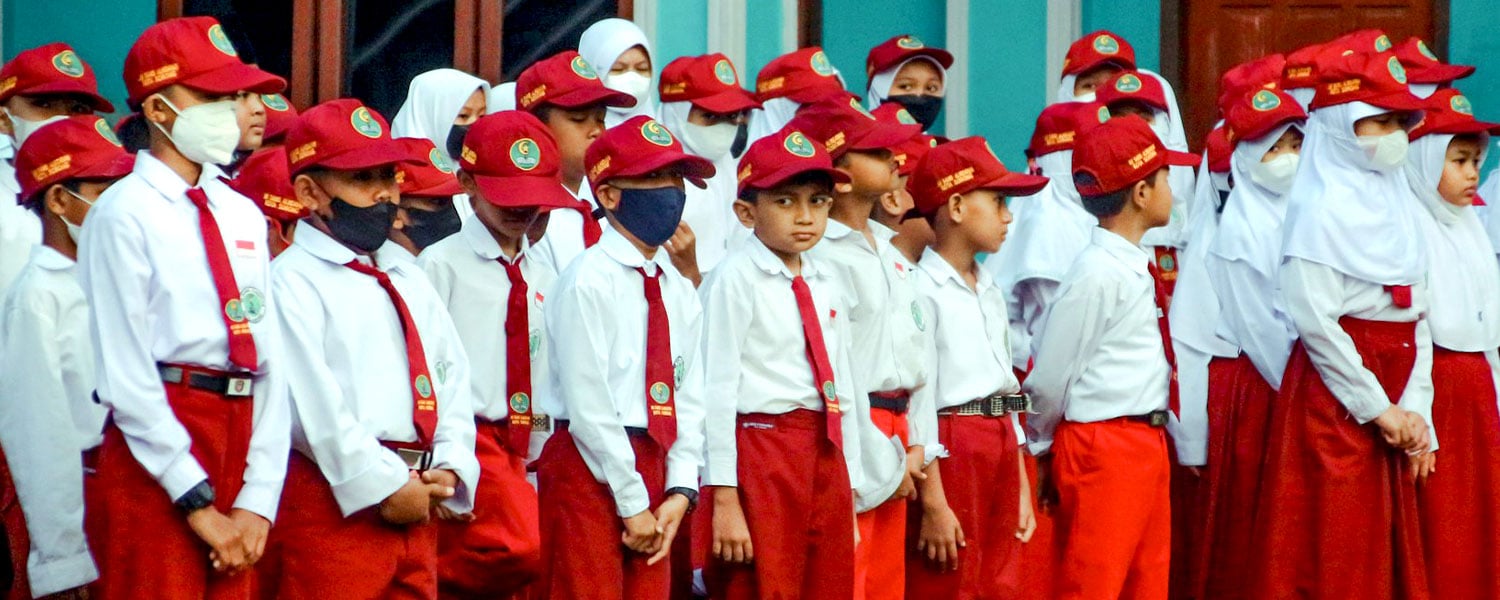
Whether you like it or not, school uniform is a significant part of school life and that remains true for millions of children across the world. From traditional national dress rooted in history to futuristic designs that reflect modern thinking, uniforms help give students a sense of belonging and pride within their communities. Over the years, school uniforms have evolved in style and meaning but they have always been a key feature of education systems around the globe. Many reflect the unique cultures and values of the places they represent and will continue to adapt as societies and generations move forward. We’ve explored the wide variety of uniforms worn in different countries and highlighted some of the most interesting and iconic examples.
Japan
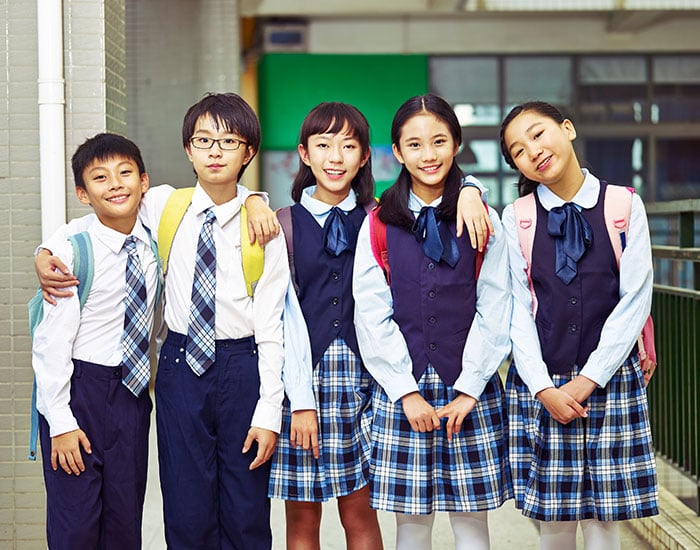
Japanese school uniforms, traditionally comprising sailor-style outfits for girls and stand-up collar or blazer sets for boys, are undergoing a subtle transformation toward greater comfort and practicality. A notable shift has been the increasing adoption of trousers for female students; in 2023, over 800 schools introduced girls’ slacks as part of their uniform options, reflecting a response to student demand for more versatile attire . Additionally, culottes have been incorporated into some school uniforms, offering a hybrid option that combines elements of both skirts and trousers, catering to students seeking alternatives to traditional gender-specific choices . These changes are often driven by student councils and local communities, aiming to provide more comfortable and practical uniform choices . While these updates reflect a broader trend towards more inclusive and adaptable school attire, they also signify a practical response to evolving student needs and preferences in Japan's educational landscape.
Indonesia
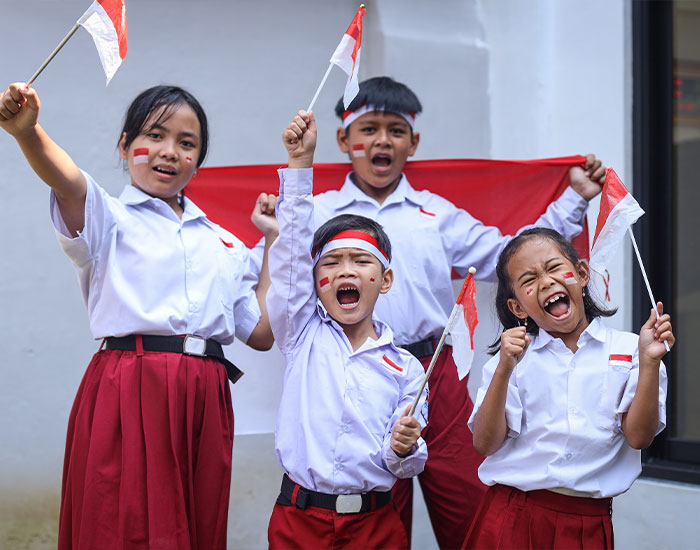
Although private schools across Indonesia have their own dress code, the majority of public schools adopt the same uniform for each pupil. Made up of three distinctive looks, the Indonesian public school uniform presents a consistent, recognizable appearance across the country. Sekolah Dasar (primary pupils) wear a short-sleeved white shirt and either red shorts or skirts, whilst Sekolah Menengah Pertama (junior pupils) and Sekolah Menengah Atas (secondary pupils) wear white shirts with navy or grey-blue shorts or skirts respectively. With a mixture of religions and cultural backgrounds across Indonesia, schools guarantee freedom of religion and respectfully invite students to follow their religious dress code should they wish to do so.
Pakistan
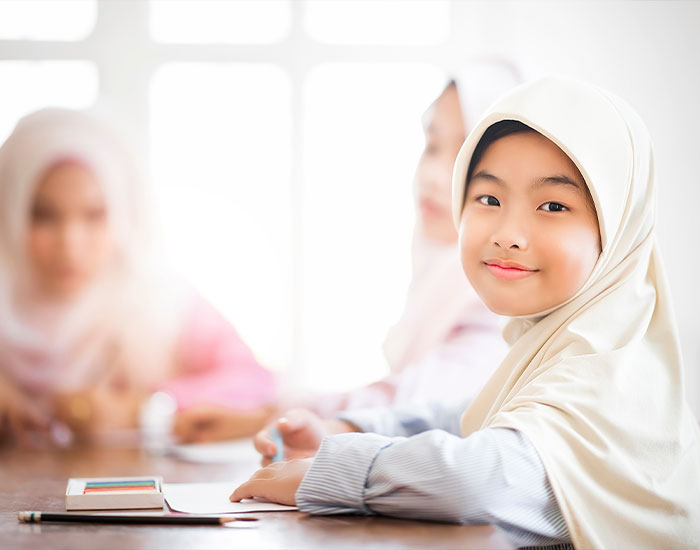
Uniforms are compulsory in the majority of schools in Pakistan, serving to promote equality and discipline among students. Boys typically wear light-coloured shirts paired with trousers, most commonly in shades of brown, blue, or grey, depending on the school’s specific dress code. These uniforms are usually accompanied by black shoes and sometimes a matching sweater or blazer in colder months. Girls often wear a Shalwar Qameez, the national dress of Pakistan, in similar light or pastel colours that reflect both tradition and cultural values. Headscarves are also commonly worn by girls, especially in more conservative areas, though this varies by region and school policy. Some private or more progressive schools offer flexibility by allowing girls to wear shirts and skirts as an alternative to the traditional attire, while still ensuring that students maintain a modest and uniform appearance.
Vietnam
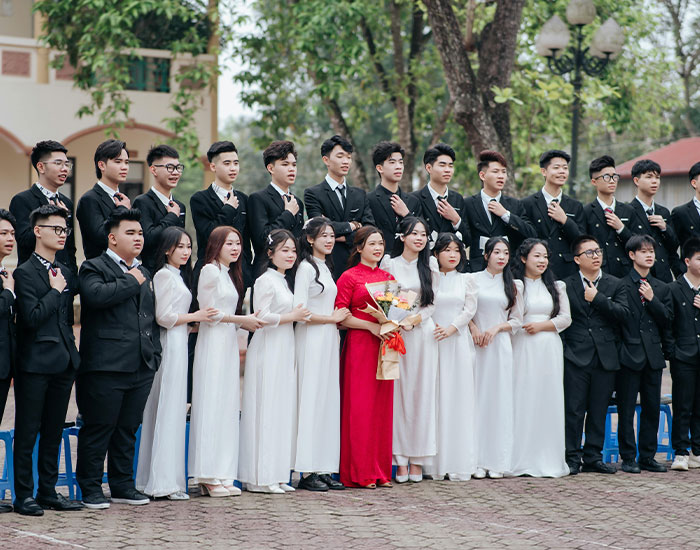
The áo dài, Vietnam’s traditional school uniform for girls, is a fitted tunic worn over wide-leg trousers, usually white to symbolize purity. It was first introduced in 1917 at Đồng Khánh Girls' High School and quickly became a key part of Vietnamese education. Once mandatory daily wear, the áo dài is now mostly reserved for ceremonies like flag-raising or national holidays, reflecting a balance between tradition and modern comfort. While traditionally worn by female students, there is a growing trend of male students in cities such as Hanoi and Ho Chi Minh City adopting modernized áo dài styles with looser fits and sports shoes. This shift highlights a renewed interest in cultural heritage among the younger generation while blending tradition with contemporary fashion.
Christ's Hospital, UK
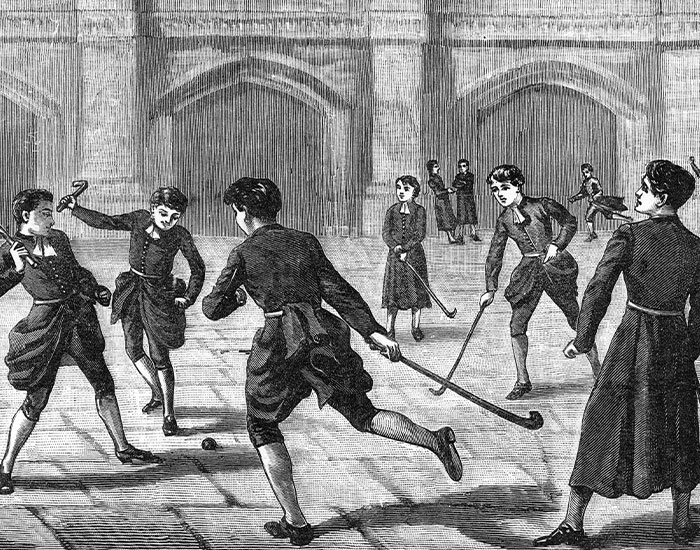
Dating back to 1553, Christ’s Hospital in the UK boasts one of the world’s oldest school uniforms, remarkably unchanged since the Tudor era. The hallmark ensemble comprises a long blue coat belted at the waist, knee-length breeches for boys (or a pleated skirt for girls), crisp white neck-bands, bright yellow socks, and a leather belt, all provided free to students.
The distinctive blue and yellow scheme was chosen not only for affordability and visibility but also because the yellow dye originally from onion and saffron was thought to deter vermin. Over 470 years later, the classic coat remains nearly identical; silver buttons bearing King Edward VI’s profile and velvet cuffs now denote top students (known as “Grecians”). Since 1987, pupils have been allowed to wear sturdy Dr. Martens shoes for practicality.
South Korea
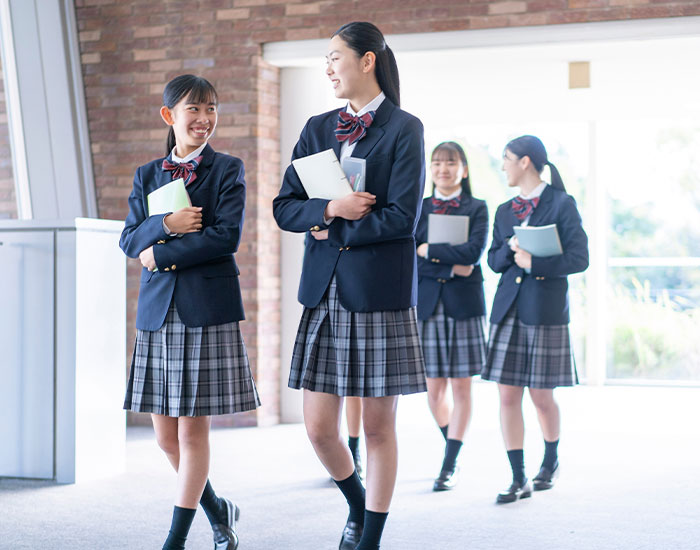
South Korean school uniforms, while still featuring the traditional blazer, shirt, and tie, have gradually evolved to prioritize comfort, inclusivity, and cultural identity. In recent years, concerns about overly tight and gender-specific designs have led to changes allowing more flexible options, such as trousers for all students and looser-fitting garments. Additionally, several schools have introduced modernized hanbok-style uniforms, which incorporate traditional Korean elements in updated, practical fabrics suitable for daily and athletic wear. Educational authorities have also begun addressing overly strict dress codes that ignore weather conditions or personal comfort, signaling a broader shift toward respecting student autonomy and well-being. These changes reflect an ongoing transformation in how school uniforms are viewed in South Korea—not just as standardized attire, but as a reflection of evolving values around identity, tradition, and student rights.
Ghana
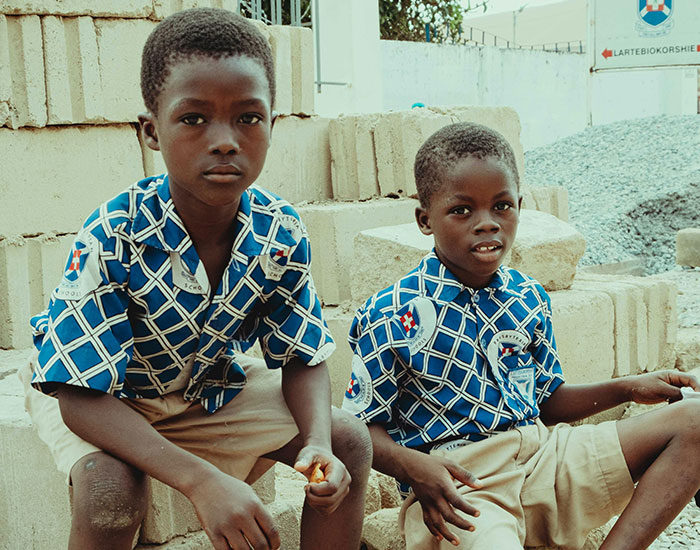
School uniforms in Ghana are well known for their vibrant colors and distinctive patterns, often made from bright, eye-catching fabrics. Girls typically wear dresses or skirts that showcase these bold patterns, while boys usually wear shirts paired with trousers. These uniforms are more than just clothing. They represent a proud connection to Ghanaian culture through their unique designs and colors. Additionally, the use of such patterns and colors helps create a strong sense of unity and belonging among students, bringing them together as part of a shared community and identity within their schools.
Bhutan
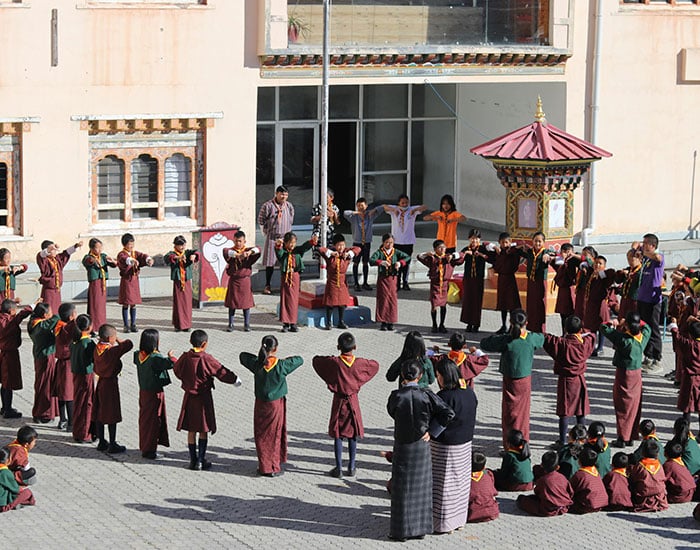
In Bhutan, it is customary for students to wear the traditional national dress as their school uniform. For boys, this means wearing the gho, which is a knee-length robe that is wrapped around the body and secured at the waist with a belt. Girls, on the other hand, wear the kira, a long ankle length dress that is usually accompanied by a toego, a short fitted jacket worn over the kira. These traditional outfits have a rich history that dates back to the 17th century and are more than just clothing. They play an important role in preserving Bhutan’s cultural heritage. By wearing these garments every day at school, young people in Bhutan express a strong sense of national pride and cultural identity, helping to keep their traditions alive through generations.
For over 60 years, Price & Buckland have proudly specialized in manufacturing and designing high-quality school uniforms. Our extensive experience and commitment to excellence have made us a trusted name in schoolwear across the region. Whether you’re looking for durable, comfortable, and stylish uniforms for primary or secondary students, we have a wide-ranging collection that caters to the unique needs of every school community.