

Mental Health Matters at P & B
Reflecting on Mental Health Awareness Week at P&B
The statistics that 1 in 4 people struggle with their mental health, combined with the fact that very few people seek the help and support they need - means we feel it is important to look for ways in which mental wellbeing can be improved.
For a long time, Price & Buckland have provided employer-funded healthcare, which (amongst other benefits) allows our employees to access a course of professional counselling. But in recent months, we’ve also taken notice of the news that mental health conditions have increased since the pandemic.
That’s why we wanted to make sure our team feel comfortable to discuss their needs at work and ask for help when needed.
Below are some personal stories from our team along with their recommendations for improving mental health and wellbeing.
Stride and Thrive - Stephen Lightfoot
When it comes to lunchtime, staying at your desk, or near to your usual work area, may seem like the most efficient plan. You might be able to work and eat at the same time and there’s no hassle trying to find somewhere to sit for your half hour break. However, what kind of a ‘break’ are you actually getting?
Stepping away from your desk (or the workplace altogether!) at lunchtime has huge health benefits, both physical and mental. It can allow you to clear your head, lift your mood and improve your energy levels and productivity in the afternoon.
My Story …
I used to spend my lunchtimes eating at my desk. Either browsing the internet or occasionally reading a book whilst eating my sandwich. However, the odd work question would still come up which I’d get involved with and the more I think about it, the less of a break I actually got. Then one day, a few years ago, Kayleigh asked if I’d like to have lunch with her. Initially we would find a quiet spot where we could stretch out our aches and pains from being sat at our desk all morning but before long, we were heading outdoors and stretching our legs on a lunchtime stroll. The change of scenery was refreshing - natural light, fresh air and a break from our screens.
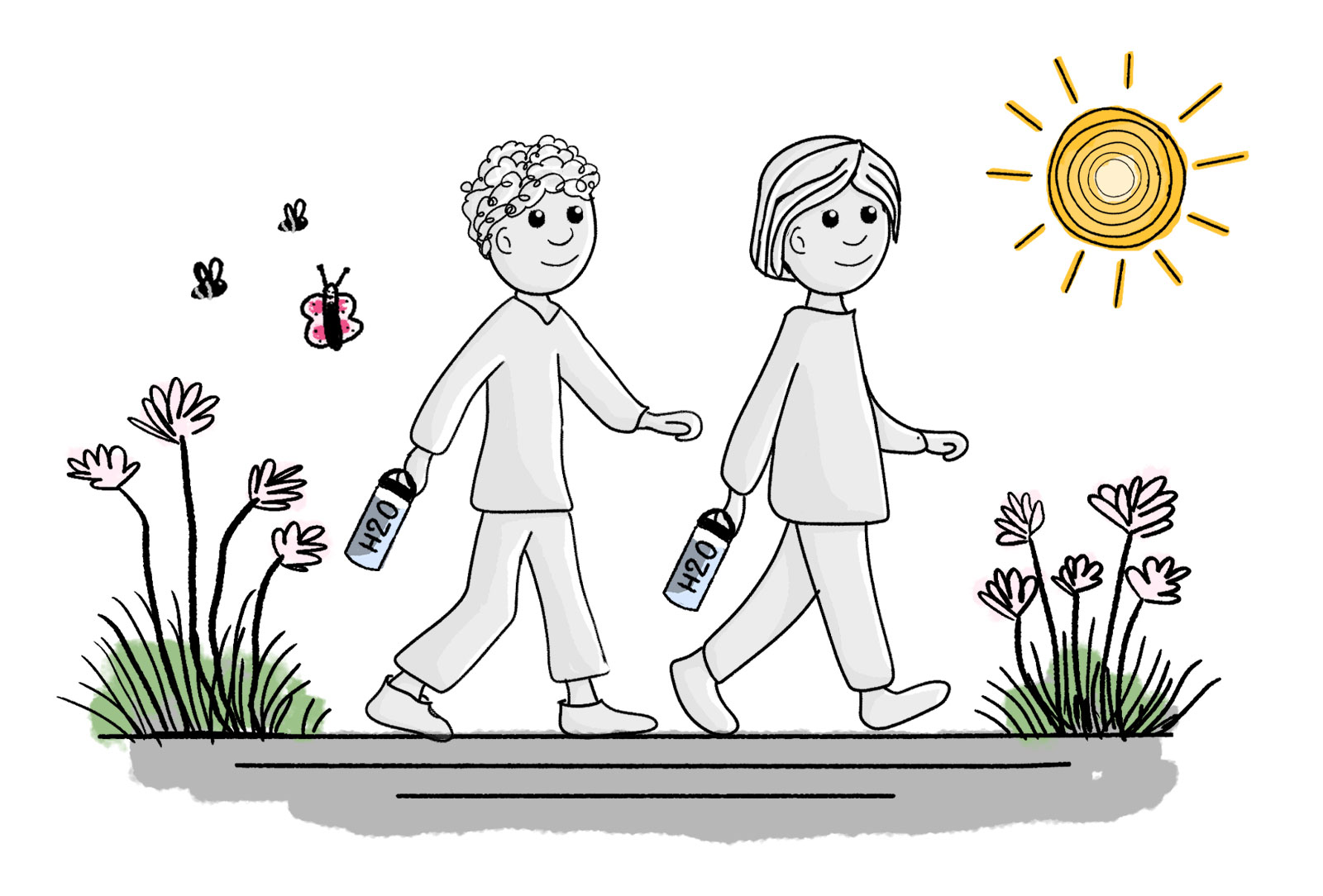
Our walks together have been beneficial in so many ways but most notably, it has created a strong friendship. We barely knew each other before but spending our lunch breaks together allowed us to get to know each other and open up a little and as it happens, from that we were able to help each other out too. Sometimes the walks would be a good laugh, talking about our weekends and what we’ve been up to allowing us to switch off from work altogether. Other times, it was a chance to release some stress, ask for advice, support and sometimes just listen. Whatever was needed, we were there for each other, whether it was work related or not.
Fast forward a couple of years and our walking colony has grown in numbers. There are now a group of us who regularly walk together, sometimes as one and at other times in pairs and we’re lucky enough to have made some great friendships. A combination of exercise, conversation and the open air has all contributed to improving our mental health and I’d recommend it to anyone.
DRINK WATER! - Sophie Yates
Staying hydrated is a key part of your well-being. While we all know to drink more when it’s hot or during exercise, many don’t realise how much daily hydration impacts overall health. Think of your brain and body like a plant—without regular watering, it won’t thrive. Growth stalls, energy dips, and mood suffers. Here are just some of the benefits of staying hydrated:
• Mood & Emotions: Even mild dehydration (just 2% fluid loss) can affect mood and increase anxiety. Staying hydrated helps keep your emotional wellbeing in balance.
• Digestion: Without enough fluids, your stomach, liver, kidneys, and bowels can’t function efficiently. This leads to slower digestion, less nutrient absorption, and issues like bloating, gas, and fatigue.
• Headaches: Dehydration can cause the brain to shrink slightly away from the skull, leading to headaches. Imagine your brain as a tomato—do you want it fresh and juicy, or shrivelled from lack of water?
• Mental Health: Dehydration is linked to depression, anxiety, poor memory, and reduced attention span. Those who drink more water often report better mental wellbeing.
• Heart Health & Energy: Water helps your heart pump blood more efficiently. Less strain means better oxygen flow and more energy.
• Weight Management: Water supports fat metabolism, helps you feel fuller, and plays a key role in converting fat into energy.

All of these are connected—your body and brain’s physical health directly affects your mental health. Drinking more water is a simple step with wide-reaching benefits.
If you struggle to drink enough, start small. Set hourly reminders, check in with colleagues, or make it a shared goal to stay hydrated. This Mental Health Week, see how a small change like upping your water intake can help boost your mood and overall wellbeing.
Vitamin D really is the happy supplement! - Written by Simon Gunn FDSc, BA (Hons) Head Coach at Jelly Fitness
For years I suffered with poor mental health, low energy and a sense of disheartenment. Whilst trying to find ways to help myself climb out of the despair, amongst other things such as counselling I found article after article stating a deficiency in the easiest and most affordable vitamin could be a simple solution to my symptoms. The vitamin deficiency which is estimated 60% of the UK population suffer with. The vitamin deficiency linked to depression, anxiety, and cognitive decline meaning memory issues, and possible links to dementia.
For me, and my symptoms at the time, I was overwhelmed at how many I was struggling with. Powered with this new knowledge I investigated, purchased and trialled this cheap supplement, Vitamin D!
Due to the amount of different information regarding doses of Vitamin D, mainly in relation to energy levels, calcium uptake, bone issues and muscle pains, I started off with just 1000iu (international units) per day.
Whilst this level did increase my energy levels and boost my mood slightly, I continued my research into Vitamin D and mental well-being and soon realised the doses suggested were using outdated data and I must seek more up to date information. It turns out that the recommended daily allowances set by health organization's several years ago is in relation to rickets; a bone disease that weakens and softens bones in children.
It is only in recent years Vitamin D is being noticed for its benefits in cognitive functions and mental well-being disorders as well as the already known impacts on bone growth and immune health.
In 2017, the Endocrine Society suggested that all adults must START on 10,000iu daily and children should be taking 4,000iu per day as a minimum. Additionally, they stated the larger you are the more you will need to take, which makes sense when you consider the roles of Vitamin D within the body. Once I hit 4,000iu’s per day this is where I really started to notice the benefits on my mental well-being.
Within weeks my energy levels were up, my head started to clear, my mood bouncy again! Of course, I have read many times and listened to expert’s state doses need to be 10,000iu plus for adults and this is where the real magic happened for me.
After several years of taking a Vitamin D supplement every day at 12,000iu I have found that my mental state is by far the best it has ever been all my life. Of course, I do visit the gym 6 days a week, focus on sleep quality, hydration as well as practicing all the tips my counselling has taught me. As a sports scientist, I am aware of the physical benefits of vitamin D on the human body and would suggest I am more in tune with my body than most others due to the nature of my profession. It must also be noted that I have not been ill for over three years, which I am aware is down to my high doses of vitamin D.
I am 100% convinced my stronger, and resilient mental well-being has strong connections to my consistent and higher doses of vitamin D. I am sure without it; I would have struggled mentally.
Of course, you must conduct your own research and work out your own level required, after all we are all different, with unique stress levels, working demands, and so on. Having Vitamin D from the sun would be of course a great source, however, the northern hemisphere lacks sufficient daylight hours and angle of the sun to provide enough, quality Vitamin D, hence the need for supplementation. To best absorb high levels of Vitamin D in the body, you should consider consuming foods rich in Vitamin K, such as eggs, green leafy vegetables such as kale and broccoli or of course a supplement.
The Importance of a Good Old Stretch - Kayleigh Rose
Head, shoulders, knees, and toes — every part of your body benefits from a good stretch.
For years, I’ve made stretching part of my daily routine to help manage chronic pain, and some of you have probably spotted me rolling out my yoga mat in a meeting room now and then.
Stretching is so important — not just for those of us sitting at desks for long hours, but also for those in embroidery and the warehouse who spend full days on their feet.
Taking a few minutes to step away, move, and stretch can make a big difference in how we feel throughout the day.
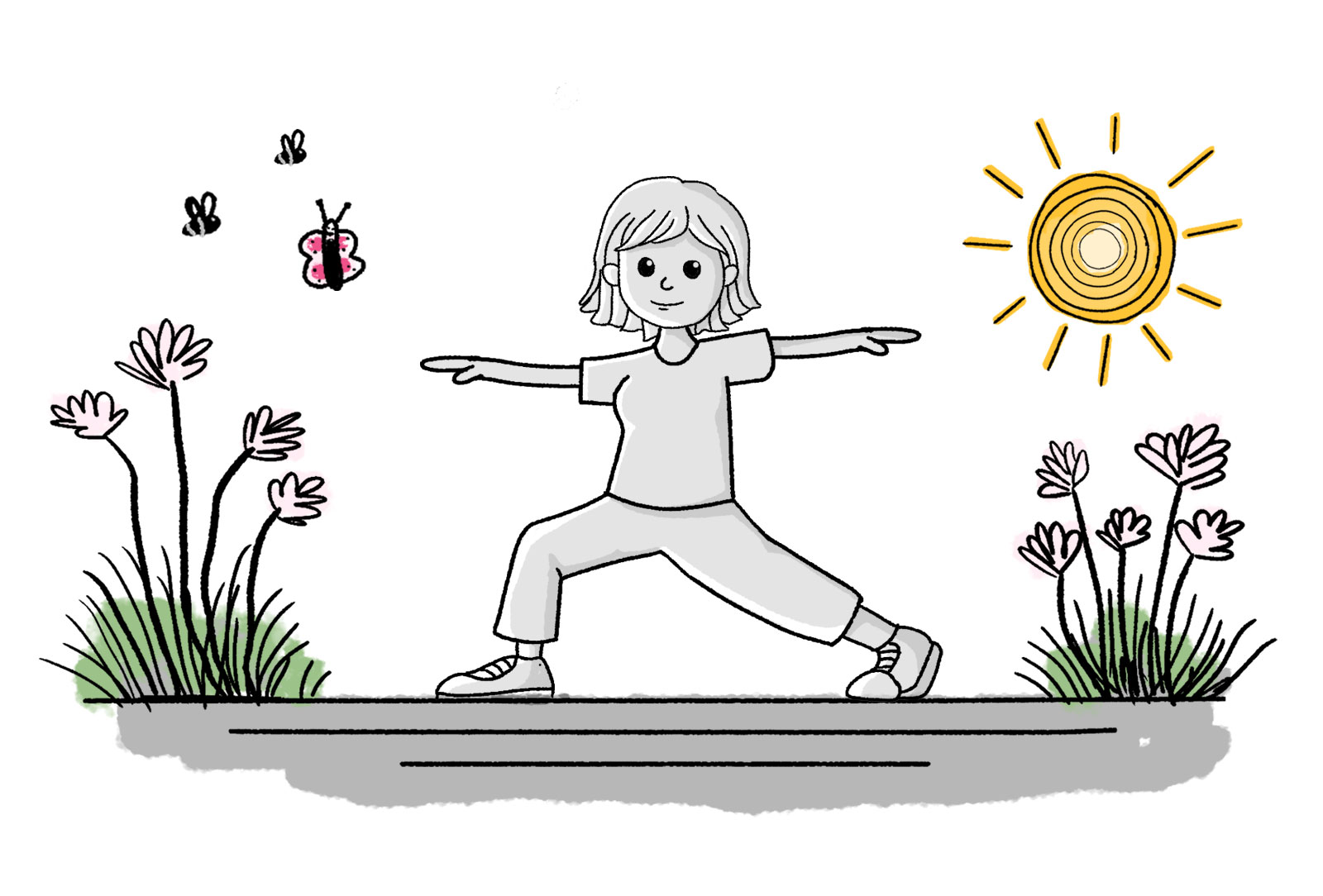
Whether you're at a desk or on your feet, your body feels it.
Working at a desk all day can lead to fatigue, poor circulation, weak hips and glutes, and common discomforts like back pain, neck tension, and even headaches.
On the other hand, spending long hours standing in a warehouse or operating machinery places a different kind of strain on the body—especially on the lower back, feet, legs, and shoulders.
No matter your role, stretching during and after your shift can help relieve tension, prevent injury, and boost overall endurance.
Stretching is good for us because it promotes overall well-being. It plays an important role in keeping us healthy, happy, and strong — and it can even help us stay fitter and more mobile as we age. Stretching also has a powerful impact on our mental health. It helps reduce stress, clear the mind, and boost mood — giving us a moment to reset during a busy day.
Boost Your Mood Boogie - Kayleigh Rose
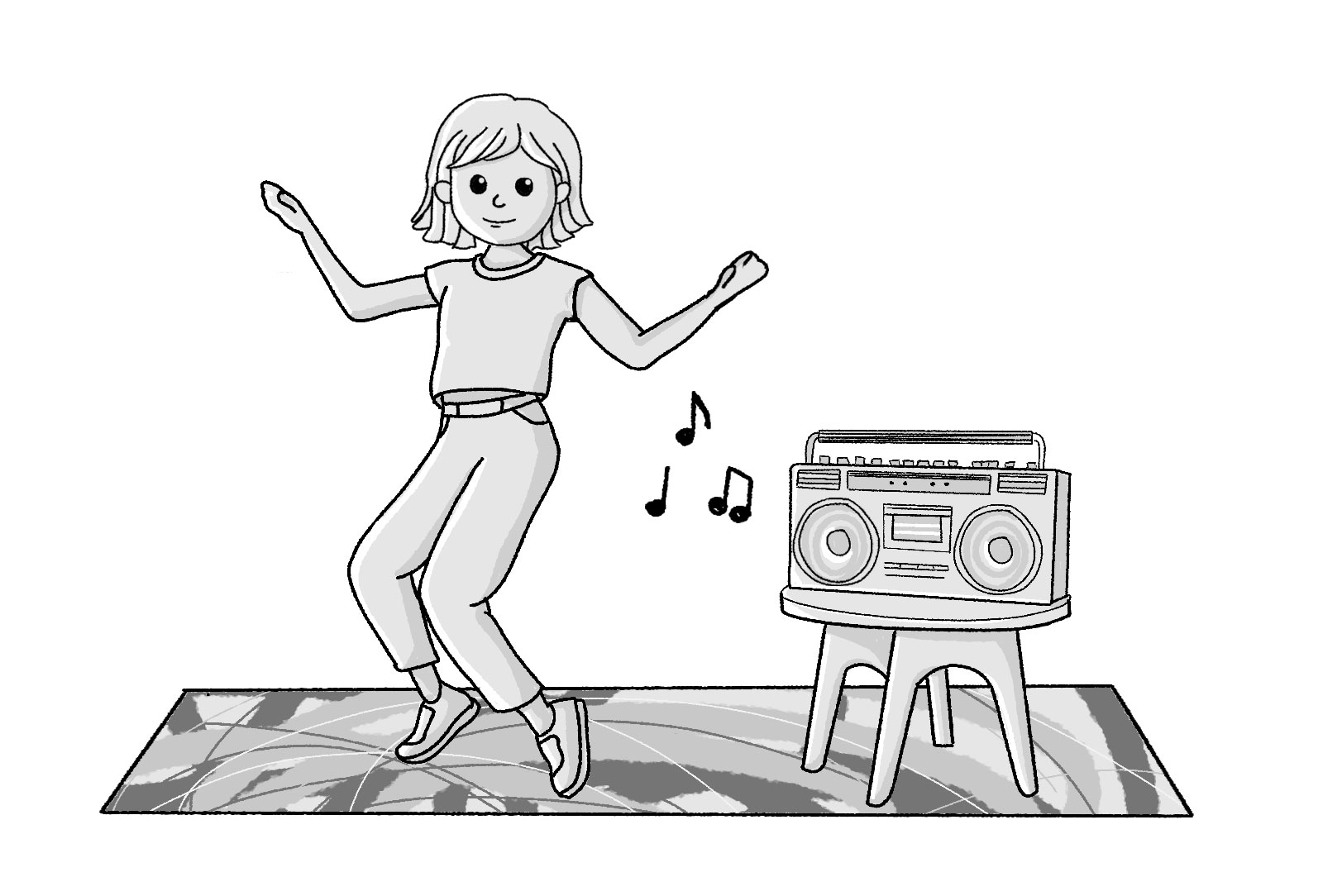
We all enjoy a good dance – and I’ve seen many of you over the years at the Christmas party throwing some serious shapes on the dance floor! But did you know that dancing isn’t just fun – it’s also brilliant for both your physical and mental health?
Why is dancing so powerful?
Dancing can: promote overall well-being, reduce stress and anxiety, boost your mood and memory and improve cognitive function
Feel-Good Moves
Humans may have evolved a unique connection with dance – which could explain why it makes us feel so good. One study found that just 10 minutes of dancing can trigger the release of endorphins, the body’s natural painkillers, increasing your pain threshold and giving you a lovely boost in mood.
Strictly the Best
So, why does dancing beat other forms of exercise? It’s the combination of music, movement, and social interaction that makes it so powerful.
• Dancing has been linked to a 46% reduced risk of stroke or heart attack – more so than other physical activities of the same intensity.
• Another study found dancing was associated with a massive 76% reduced risk of dementia – the highest among all leisure activities!
Nimble Feet, Nimble Mind
You really can dance your way to better brain health. Dancing encourages neuroplasticity – the brain’s ability to form new connections and adapt. One study showed that after just one 30-minute salsa session, participants improved their spatial working memory by 18%.
Let’s Get Physical
Dancing is also a great way to boost your physical activity levels. It can raise your heart rate to over 140 beats per minute and burn around 340 calories in just half an hour. It also helps to:
• Increase strength and flexibility
• Improve coordination
• Reduce muscle tension
• Provide a fun mental challenge with new routines
Dance Like No One’s Watching
The best part? It doesn’t matter how good you are! In fact, dancing just for the fun of it can be even more beneficial. Dr Christensen explains that competitive dancers often show higher levels of cortisol – the stress hormone – which can suppress the immune system. So it’s important to make time for dancing just for the joy of it.
So… fancy a quick boogie after work today?
Click the YouTube link below and join in with some free dance routines from the Fitness Marshall – and enjoy dancing your way to better health!
Food and Sleep - James Corton
During Mental Health Week, it's important to recognise the impact food and sleep have on our mental well-being. As we know, both are fundamental to our physical health, but understanding their relationship can help us to make choices that support our mental health too.
The Role of Food in Mental Health
What we eat directly influences our brain chemistry and mood. Diets rich in whole foods, such as fruits, vegetables, whole grains, and lean proteins, provide essential nutrients that support brain function and emotional regulation. Alternatively, diets high in processed foods, sugars, and unhealthy fats can contribute to inflammation and oxidative stress, which are linked to mental health disorders like depression and anxiety.
From my own personal experience, I often found that consuming a lot of caffeine resulted in feeling anxious and jittery during the day (which is an issue as I love coffee!), so I decided to switch to decaff alternatives which has had a huge impact on my mental well-being.
Sleep's Impact on Mental Well-being
Adequate sleep is crucial for emotional regulation, cognitive function, and overall mental health. Not getting good quality sleep for a long period of time can lead to irritability, decreased concentration, and an increased risk of developing mood disorders. It's not just about quantity; the quality of sleep matters. Disrupted sleep patterns can interfere with the body's natural rhythms, affecting mood and mental clarity.
Maintaining a consistent sleep schedule, creating a restful environment, and avoiding stimulants like caffeine before bedtime can enhance sleep quality and, by extension, mental health.
How Food and Sleep are Connected
You may not realise it, but food and sleep are quite closely connected, both influencing the other. Poor sleep can lead to cravings for high-calorie, sugary foods, which in turn can disrupt sleep even further. Whereas incorporating sleep-friendly foods into your diet such as cherries, walnuts, almonds, kiwi, and chamomile tea can help support the production of sleep-inducing hormones through compounds that promote relaxation.
Practical Tips for Supporting Mental Health
• Eat a balanced diet: Focus on whole foods and limit processed items.
• Establish a sleep routine: Go to bed and wake up at the same time daily.
• Limit screen time before bed: Reduce exposure to blue light to improve sleep quality.
• Stay active: Regular physical activity can enhance mood and sleep.
• Manage stress: Engage in relaxation techniques like meditation or deep breathing exercises.
By making mindful choices about what we eat and how we sleep, we can significantly impact our mental health. This Mental Health Week, let's commit to nourishing our bodies and minds for a healthier, more balanced life.
Men's Mental Health - Kayleigh Rose
As part of Mental Health Week, I would like to take a moment to shine a light on an often-overlooked topic: Men’s mental health.
Mental health challenges can affect anyone, but men often face specific pressures that make it more difficult to speak out or seek support. Whether it’s due to stigma, traditional expectations, or the worry of being judged, many men still struggle in silence. At Price & Buckland we may be a heavily female-led organisation, but we also deeply value the incredible contributions of our male colleagues and our directors Nick & Ant. Their wellbeing matters – not just as professionals, but as people.
Suicide is a leading cause of death for men in the UK, particularly for those under 50 and data indicates that over 75% of all suicide deaths are male, with rates particularly high among middle-aged men.
So, how can we support each other?
• Create space for honest conversations. A simple “How are you doing – really?” can go a long way.
• Encourage time for self-care. Let’s support one another in taking the time we need – whether that’s using mental health days or accessing available resources.
• Challenge the stigma. Mental health is just as important as physical health. Reaching out for help is a strength, not a weakness.
But best of all, there’s a fantastic local charity group doing amazing work – Bottled Up Blokes, which our very own Matt Jones is part of. Matt has even encouraged Steve and Christian from the warehouse to join in their weekly football kickabouts! Matt has agreed to share his story, please see below.
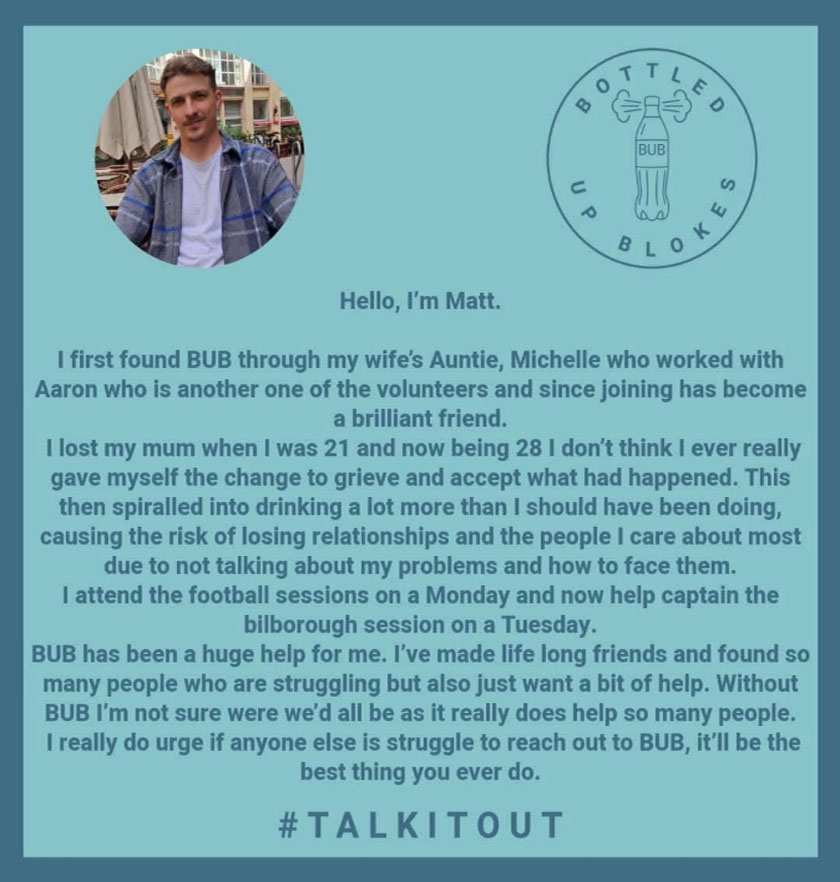
Bottled Up Blokes is a charity run by men, for men – a safe, non-judgemental space to talk about mental health, addiction, and life’s ups and downs. It was founded by Tim Cox, who started the group after his own struggles with depression, wanting to help other men open up and find support.
The charity offers a range of services – from an active Facebook community to regular football sessions. You can find out more on their website: https://bottledupblokes.com
And exciting news – the charity got a shout-out last Tuesday on Radio 2’s Vernon Kay Show, and Vernon himself has even been in touch to arrange a visit and join the lads for a kickabout! How brilliant is that? I know I’ll be hoping to catch him and say hello!