

How AI Is Changing School Life for Students and Parents in 2026
In 2026, artificial intelligence is no longer a distant concept in education - it’s part of everyday school life across the UK. From personalised learning tools to smarter communication between schools and families, AI is influencing how children learn, how parents stay informed, and how schools support wellbeing and equality.
As with any major change, the impact goes beyond academics alone. Technology now sits at the crossroads of learning, mental health, and inclusion.
Personalised Learning Without Losing the Human Touch
One of the most visible changes AI has brought into classrooms is personalisation. Digital learning platforms can now adapt tasks to suit individual pupils and offer extra support where needed.
Whilst adapting to these changes, especially as the technology is advancing so rapidly, can be daunting for teachers and parents. However, this approach can reduce pressure on children who may otherwise feel left behind. This is increasingly important as schools focus on emotional wellbeing alongside achievement. During Children’s Mental Health Week 2026, many UK schools highlighted how thoughtful use of technology can help reduce anxiety by allowing pupils to learn at a pace that suits them rather than constantly comparing themselves to others.
AI works best here as a quiet assistant by supporting teachers rather than replacing them whilst helping children feel capable, confident, and understood.


Homework, Revision and Learning Beyond the Classroom
Homework in 2026 is more interactive and responsive than ever. AI-powered tools can explain topics step by step, generate tailored practice questions, and help pupils revise more effectively. It is important that restrictions are set in place to allow children to see AI as a helping hand and not a replacement for learning altogether.
This shift also links closely to digital skill development. It’s why many parents are also exploring ways to build these abilities beyond homework, including early coding activities and creative tech projects. Our guide to learning to code with child-friendly resources shows how these skills can be introduced in an accessible, enjoyable way at home.
Rather than replacing traditional learning, AI and technology in general is expanding how and where it happens.
Stronger Links Between School and Home
AI has also transformed communication. Parent platforms can now summarise attendance patterns, highlight learning trends, and flag key dates automatically. Instead of waiting for termly reports, families can stay informed in real time.
This transparency can be reassuring particularly when paired with clear conversations around wellbeing, workload, and expectations. When parents understand not just what their child is learning but how they’re engaging with it, support at home becomes more meaningful.

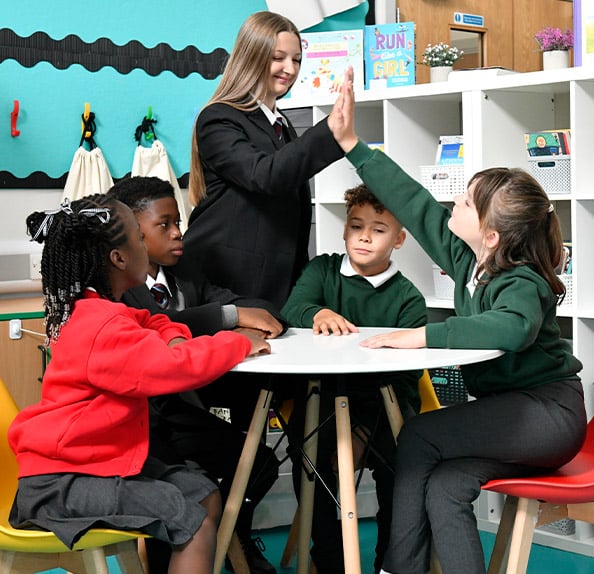
AI, Inclusion and Equality in Schools
While AI has the potential to level the playing field, it also raises important questions about access and fairness. Schools must ensure that technology supports inclusion rather than creating new barriers.
This is where wider conversations about equality remain essential. From uniform policies to access to resources, schools are increasingly aware that feeling included affects both learning outcomes and confidence. The same principles explored in discussions around schoolwear equality apply to educational technology too. Consistency, affordability, and dignity matter just as much in digital spaces.
When implemented thoughtfully, AI can help support diverse learning needs rather than amplify inequalities.
What This Means for Parents in 2026
For parents navigating AI-supported education, a few practical steps can make a big difference:
Talk regularly about how technology is being used at school
Encourage children to explain how AI tools help them learn
Maintain routines that balance screen time with offline activity
Stay informed about school policies on digital learning and data use
AI works best when it’s part of a wider support system and not a replacement for human guidance.

Looking Ahead
AI in schools isn’t about futuristic classrooms filled with screens. In 2026, it’s about smarter support, stronger communication, and more inclusive learning experiences. When aligned with wellbeing, digital skills, and equality, AI has the potential to enhance school life for both students and parents across the UK.
As education continues to evolve, the most important constant remains the same: helping children feel supported, capable, and ready for the future.