

The Role of Schoolwear in Creating Equality
Schoolwear has long been part of the educational landscape, but its value goes far beyond smart appearance or school pride. At its best, school uniform plays a meaningful role in creating equality by helping pupils feel included, confident, and focused on learning rather than difference. In an increasingly diverse society, that role is as important as ever.
Creating a Level Playing Field
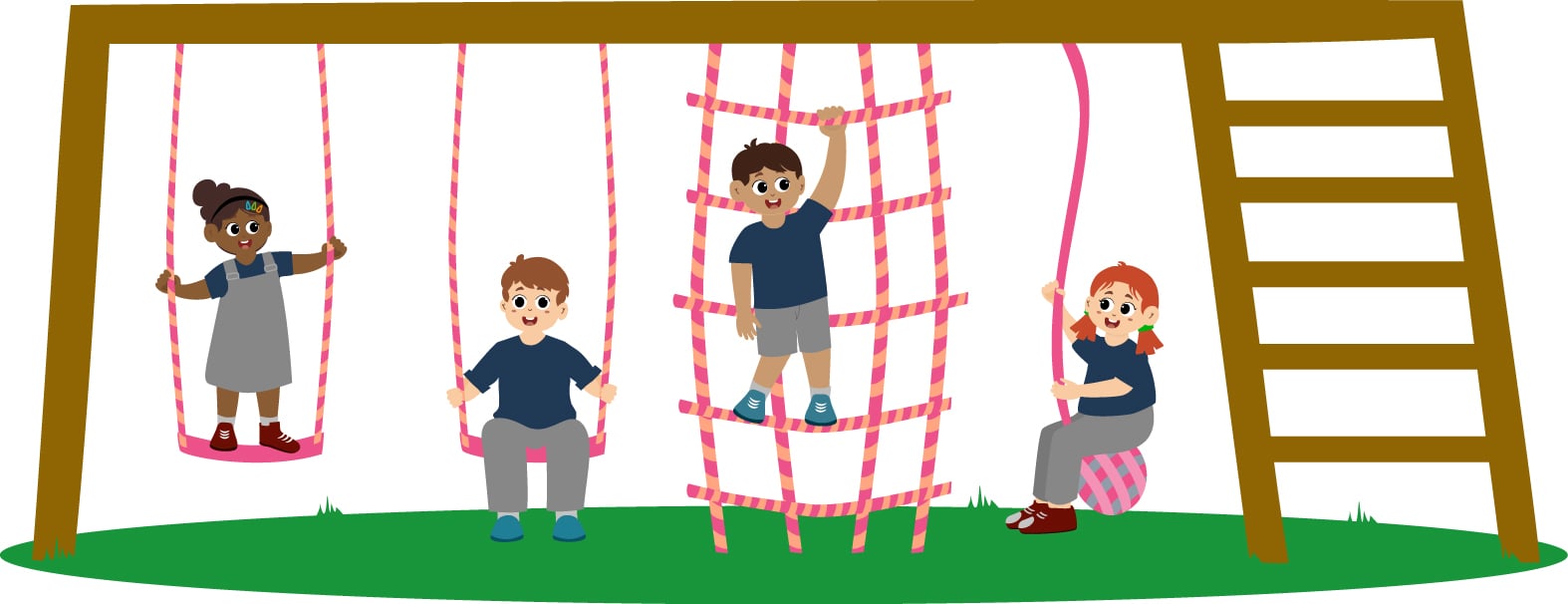
One of the most powerful ways school wear supports equality is by reducing visible social and economic differences. When pupils wear the same uniform, there is less emphasis on brands, trends, or the cost of clothing. This helps ensure that children are not judged based on what they wear, allowing them to feel part of a shared community from the moment they arrive at school.
Planning ahead, choosing durable garments, and understanding what is genuinely required can make a real difference, which is why our guide to successful uniform shopping focuses on making the process simpler and more cost-effective for everyone

Confidence, Belonging, and Reduced Social Pressure
Equality in schools isn’t only financial but emotional too. Clothing can be a significant source of pressure for young people, particularly where fashion trends or social expectations dominate. Schoolwear helps remove this daily comparison, allowing pupils to feel more confident in themselves.
This sense of likeness can also reduce opportunities for teasing or exclusion linked to appearance. While uniform is not a solution to bullying on its own, it can remove one of the most visible triggers. We explore this idea in more depth in our blog on whether uniform can help reduce bullying, looking at how shared dress codes can support a more inclusive school culture. When pupils feel they belong, they are more likely to engage, participate, and thrive in their educational journey

Equality Beyond the Classroom
True equality also considers sustainability and long-term affordability, recognising that access is not just about the present moment but about ongoing impact. Passing uniforms on, recycling them, or finding new uses once they are outgrown helps reduce waste and supports families facing financial pressure over time. By encouraging thoughtful use and reuse, schools and communities can lessen environmental harm while making uniform costs more manageable for everyone. A culture of reuse ensures that school wear continues to serve its purpose without unnecessary cost or environmental impact.
If you’re wondering how to extend the life of your uniform items, our blog on what to do with old school uniform offers practical ideas that benefit both families and communities.
A Shared Tradition with Global Meaning
School uniform is often seen as uniquely British, but it is a global concept. Around the world, uniforms are used to express identity, discipline, and unity, while still reflecting cultural differences. This balance between individuality and collective belonging reinforces the idea that equality does not mean sameness but shared respect and opportunity.
Exploring school uniform from around the world highlights how different countries approach this balance and how schoolwear continues to act as a symbol of inclusion across cultures.
Understanding this wider context also helps us appreciate how uniforms have evolved. Looking back at the history of school uniform shows how garments that once represented exclusivity gradually became tools for fairness and access within mainstream education.

Schoolwear is not just about appearance - it’s about opportunity. By promoting fairness, reducing social pressure, and supporting a sense of belonging, uniform plays a quiet but powerful role in creating equality in schools. When designed, supplied, and supported thoughtfully, it helps ensure that every pupil starts the day on equal footing and ready to learn, grow, and succeed.